
Nurturing Creativity for Mental Health
Discover inspiring poetry and art that support mental wellness.
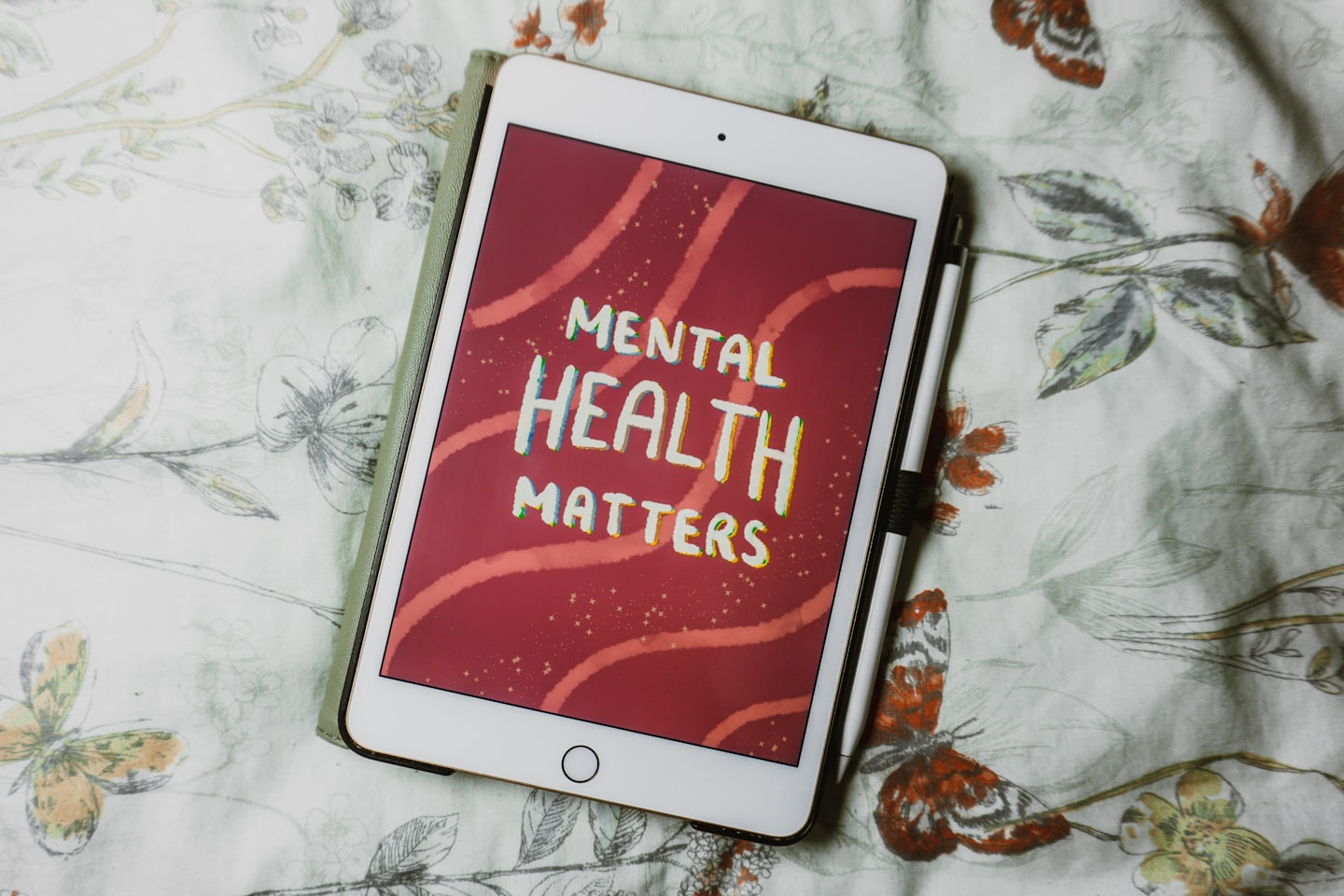
Discover Creative Wellbeing and Mental Health Support
A space that celebrates poetry, art, and community to inspire mental health awareness and personal growth.

Expressive Poetry for Healing
Immerse yourself in poems that open pathways to understanding emotions and nurturing mental wellbeing.

Artistic Projects that Connect
Engage with collaborative art initiatives designed to foster a supportive community and raise awareness.

Educational Resources and Workshops
Access creative tools and expert guidance that empower you to explore and enhance your mental health journey.
Blog
Explore thoughtful poems, artistic expressions, and community stories that raise awareness and encourage mental wellness.
-
-
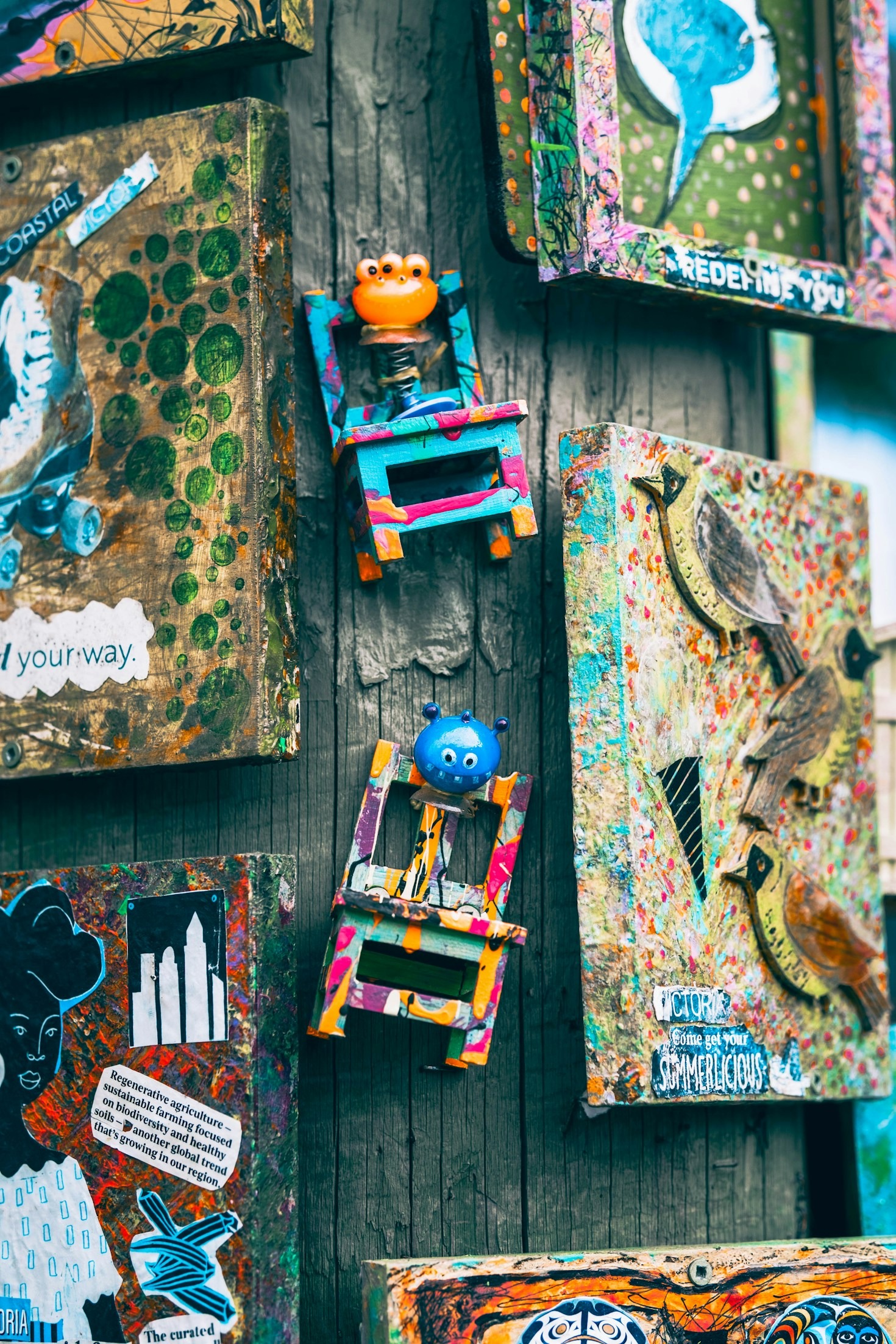
The Journey of Healing Through Community Art
This paragraph serves as an introduction to your blog post. Begin by…
-
Empowering Others with Art and Poetry
This paragraph serves as an introduction to your blog post. Begin by…



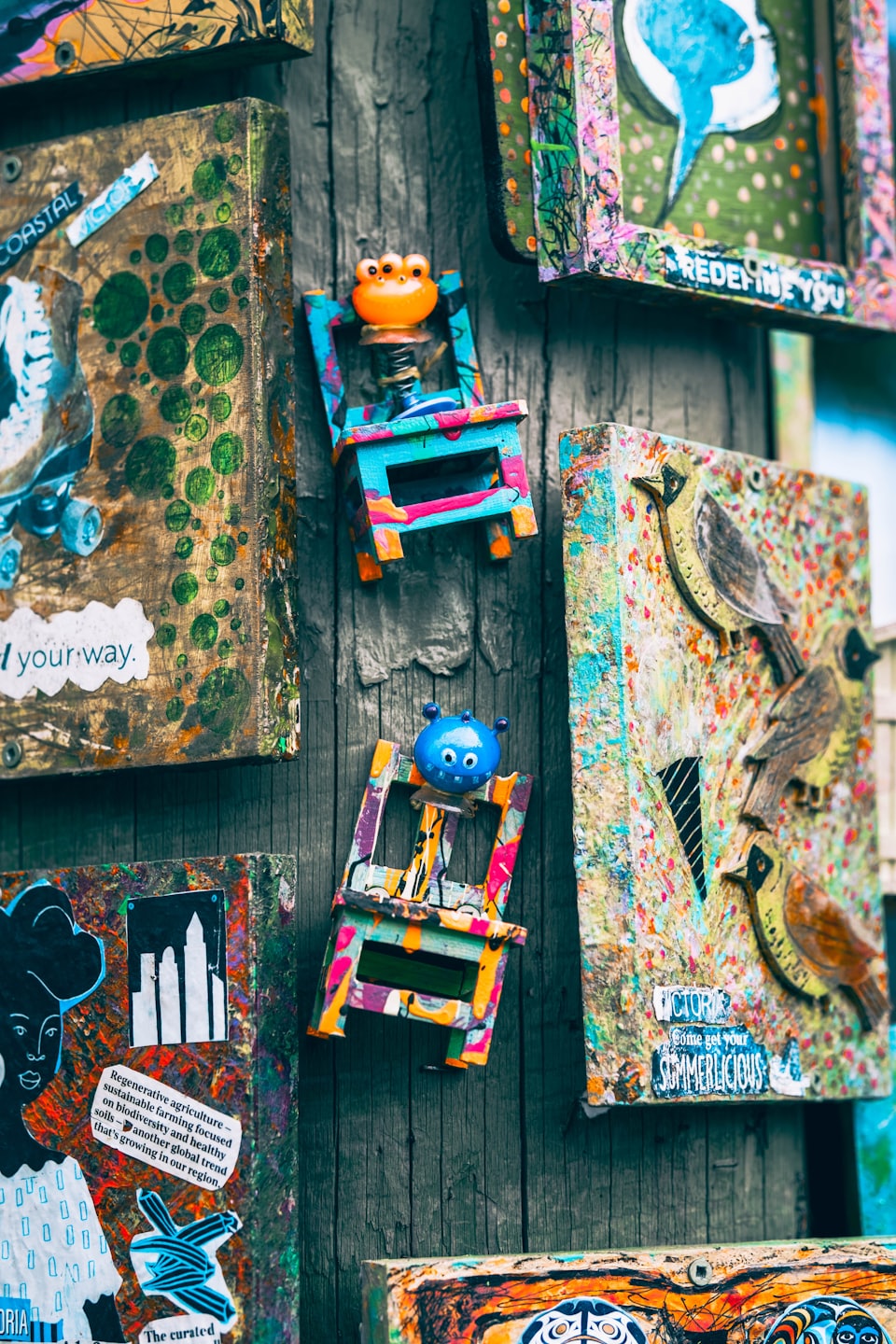
Inspiring Minds Through Poetry and Art
Discover upcoming workshops and creative gatherings designed to nurture mental wellbeing and foster community connection.
Poetry for Peace: A Healing Workshop
Jul 15, 2024
Join us for an interactive session blending poetry and mindfulness to promote inner calm and resilience.
Art Expressions: Creativity and Mental Health
Aug 20, 2024
Explore how visual art can support emotional awareness in this engaging community project.
Community Voices: Sharing Stories Through Poetry
Oct 10, 2024
Celebrate diverse mental health journeys by participating in collective poetry readings and discussions.
Creative Wellbeing Retreat: Mind and Art
Dec 05, 2024
A weekend retreat offering immersive activities aimed at enhancing mental wellness through creative expression.
Mental Health in the UK: An Overview
Mental health is a critical aspect of overall well-being, impacting how individuals think, feel, and behave. In the United Kingdom, mental health has increasingly become a priority for public health, with significant efforts aimed at improving awareness, treatment, and support services.
Prevalence of Mental Health Issues
Mental health conditions affect a substantial portion of the UK population. According to recent statistics, around one in four people in the UK experience a mental health problem each year. Common conditions include anxiety, depression, bipolar disorder, and schizophrenia. The COVID-19 pandemic has further intensified mental health challenges, increasing the demand for support and services.
Government Initiatives and Policies
The UK government has implemented several initiatives to address mental health. The NHS Long Term Plan emphasizes mental health by allocating more funding to expand services, reduce waiting times, and integrate mental health care with physical health care. Programs like “Improving Access to Psychological Therapies” (IAPT) provide evidence-based treatments such as cognitive behavioral therapy (CBT) to those in need.
Access to Mental Health Services
Access to mental health services varies across different regions and demographics. While urban areas often have more resources, rural communities may face challenges due to fewer specialist services. Efforts are being made to improve accessibility through digital platforms, helplines, and community-based support groups.
Stigma and Awareness
Despite progress, stigma surrounding mental health remains a barrier to seeking help. Campaigns such as “Time to Change” aim to reduce stigma by promoting open conversations and education about mental health. Schools, workplaces, and media play crucial roles in shaping public attitudes and encouraging supportive environments.
Support for Specific Groups
Certain groups, including young people, veterans, and ethnic minorities, may experience unique mental health challenges. Tailored interventions and culturally sensitive services are vital to addressing these needs effectively. For example, schools are increasingly incorporating mental health education and counseling services to support children and adolescents.
The Role of Charities and Community Organizations
Charities like Mind, Rethink Mental Illness, and Samaritans provide essential support, advocacy, and crisis intervention. These organizations work alongside the NHS and local authorities to fill gaps in care and raise awareness.
Conclusion
Mental health in the UK is a complex issue that requires ongoing attention and resources. Continued investment in services, public education, and stigma reduction is essential to improve outcomes for individuals affected by mental health conditions. By fostering a more understanding and supportive society, the UK can enhance the quality of life for millions and promote mental well-being for all.
Poetry and art play a vital role in promoting wellbeing by offering a creative outlet for self-expression and emotional exploration. Engaging with poetry allows individuals to articulate complex feelings and thoughts, fostering a deeper understanding of themselves and their experiences. Similarly, creating or appreciating art can provide a therapeutic escape, reducing stress and enhancing mindfulness. Together, poetry and art encourage reflection, inspire hope, and build resilience, making them powerful tools for nurturing mental and emotional health.
Poetry and art play a vital role in promoting wellbeing by offering a creative outlet for self-expression and emotional exploration. Engaging with poetry allows individuals to articulate complex feelings and thoughts, fostering a deeper understanding of themselves and their experiences. Similarly, creating or appreciating art can provide a therapeutic escape, reducing stress and enhancing mindfulness. Together, poetry and art encourage reflection, inspire hope, and build resilience, making them powerful tools for nurturing mental and emotional health.
Poetry and art play a vital role in promoting wellbeing by offering a creative outlet for self-expression and emotional exploration. Engaging with poetry allows individuals to articulate complex feelings and thoughts, fostering a deeper understanding of themselves and their experiences. Similarly, creating or appreciating art can provide a therapeutic escape, reducing stress and enhancing mindfulness. Together, poetry and art encourage reflection, inspire hope, and build resilience, making them powerful tools for nurturing mental and emotional health.
Fun Mental Health Facts You Might Not Know
Mental health is a vital part of our overall well-being, but learning about it doesn’t always have to be serious or heavy. Here are some fun and interesting mental health facts that might surprise you and brighten your day!
Laughter Really Is the Best Medicine
Did you know that laughing can boost your immune system? When you laugh, your body releases endorphins, the feel-good hormones that reduce stress and increase happiness. So, watching a funny movie or sharing jokes with friends can be a great mental health boost!
Music Can Change Your Mood Instantly
Listening to your favorite tunes can help reduce anxiety and improve your mood in just minutes. Music therapy is even used in hospitals to help patients relax and heal faster.
Nature is a Natural Mood Booster
Spending time outside isn’t just good for your body—it’s great for your mind too. Studies show that being in nature can lower stress levels, reduce symptoms of depression, and increase feelings of well-being.
Pets Help Keep Us Mentally Healthy
Interacting with pets can lower blood pressure, reduce anxiety, and combat loneliness. The simple act of petting a dog or cat releases oxytocin, a hormone that promotes bonding and happiness.
Creative Activities Can Improve Mental Health
Engaging in arts and crafts, writing, or playing music stimulates the brain and can help manage stress and anxiety. Plus, it’s a fun way to express yourself!
Sleep is a Mental Health Superpower
Getting enough quality sleep is crucial for emotional regulation, memory, and cognitive function. Poor sleep can increase the risk of mental health issues like depression and anxiety.
Helping Others Helps You
Acts of kindness and volunteering can increase feelings of happiness and reduce stress. Helping others fosters a sense of connection and purpose.
Positive Social Connections Are Key
Strong relationships with friends and family can protect against mental health struggles. Even a quick chat or a smile can release dopamine, a neurotransmitter linked to pleasure and motivation.
Remember, mental health is complex but understanding it doesn’t have to be dull. Incorporating these fun facts into your daily life can help you stay mentally healthy and happy. So, laugh more, listen to music, get outside, cuddle with pets, create, sleep well, help others, and connect—with a smile!
Poetry wellbeing is a powerful tool for enhancing mental and emotional health. Engaging with poetry, whether through reading or writing, allows individuals to explore their feelings, express thoughts, and connect with their inner selves in a meaningful way. The rhythmic and expressive nature of poetry can provide comfort, reduce stress, and foster mindfulness. By tapping into language and creativity, poetry wellbeing encourages self-reflection and promotes a sense of calm and balance. It serves as a therapeutic outlet that nurtures emotional resilience and contributes to overall wellbeing.
Understanding UK Mental Health Statistics: A Closer Look
Mental health has become an increasingly important topic in the UK, with growing awareness about its impact on individuals and society. To better address these challenges, it’s essential to understand the current landscape through reliable statistics. In this blog post, we explore key mental health statistics in the UK, highlighting trends, demographics, and areas that need attention.
Prevalence of Mental Health Issues
According to recent data from the NHS and Mental Health Foundation:
- Approximately 1 in 6 adults in the UK experienced a common mental health problem such as anxiety or depression during the last week.
- Around 1 in 8 children and young people aged 5 to 19 have a diagnosable mental health condition.
- Women are more likely than men to experience mental health issues, with 1 in 5 women reporting symptoms compared to 1 in 8 men.
Impact of COVID-19 Pandemic
The COVID-19 pandemic has significantly affected mental well-being:
- Rates of depression and anxiety have increased by nearly 50% since the start of the pandemic.
- Young people aged 18-24 have reported the highest levels of distress.
- Social isolation, economic uncertainty, and health anxieties are key contributing factors.
Mental Health and Employment
Employment status also correlates with mental health status:
- Unemployed individuals are almost twice as likely to experience mental health problems compared to those in work.
- Workplace stress remains a leading cause of mental health issues, prompting calls for better employee support and mental health policies.
Access to Mental Health Services
While awareness is rising, access to mental health services remains a challenge:
- Only about 25% of people with a mental health condition receive professional support.
- Waiting times for mental health services can be long, with some patients waiting months for treatment.
- There is a growing demand for services, but funding and workforce shortages limit capacity.
Regional Differences
Mental health prevalence varies across regions:
- Urban areas, particularly London and the North West, report higher rates of mental health problems.
- Rural areas face challenges related to service accessibility and social isolation.
Conclusion
Mental health is a critical public health issue in the UK, affecting millions of people across all ages and backgrounds. These statistics underscore the need for continued investment in mental health services, public education, and targeted support for vulnerable groups. By understanding the data, policymakers, healthcare providers, and communities can work together to improve mental health outcomes and build a more supportive society.
For those interested in more detailed statistics and resources, organizations such as the NHS, Mental Health Foundation, and Mind offer comprehensive reports and support options. Remember, mental health matters, and seeking help is a sign of strength.
UK Mental Health Statistics
- Prevalence:
- Approximately 1 in 4 people in the UK will experience a mental health problem each year.
- Around 1 in 6 people report experiencing a common mental health problem (such as anxiety or depression) in any given week.
- Types of Mental Health Issues:
- Anxiety disorders affect around 8% of adults.
- Depression affects about 5% of adults.
- Severe mental illnesses, such as schizophrenia or bipolar disorder, affect around 1-2% of the population.
- Impact on Different Groups:
- Women are more likely to experience common mental health problems than men.
- Young people (aged 16-24) have higher rates of mental health problems compared to other age groups.
- People from Black, Asian, and Minority Ethnic (BAME) communities may face additional barriers to accessing mental health services.
- Suicide:
- Suicide is the leading cause of death among men under 50 in the UK.
- Approximately 6,000 people die by suicide each year in the UK.
- Service Use:
- Around 1 in 8 people are currently receiving treatment for a mental health problem.
- Waiting times for mental health services can be lengthy, with many patients waiting weeks or months for therapy or psychiatric support.
- Economic Impact:
- Mental health problems cost the UK economy an estimated £105 billion per year due to lost productivity, healthcare costs, and social services.
- Recent Trends:
- The COVID-19 pandemic has led to increased rates of anxiety, depression, and other mental health issues.
- There is growing awareness and efforts to improve mental health services and reduce stigma.
Sources:
- NHS Digital: Mental Health of Children and Young People in England Survey
- Mind: Mental Health Statistics
- Office for National Statistics (ONS)
- Samaritans UK
For more detailed and updated information, please refer to official government and health organization websites.