Discovering Wellness Through Poetry and Art
Celebrating the power of creative expression to promote mental health awareness and foster a supportive community dedicated to wellbeing and growth.

Creative Expression as a Path to Wellness
Explore our featured initiatives that blend poetry, art, and community spirit to foster mental health awareness and inspire healing.

Voices Through Verse
Healing Words Project
A collection of poems crafted to open conversations about mental health and personal resilience.
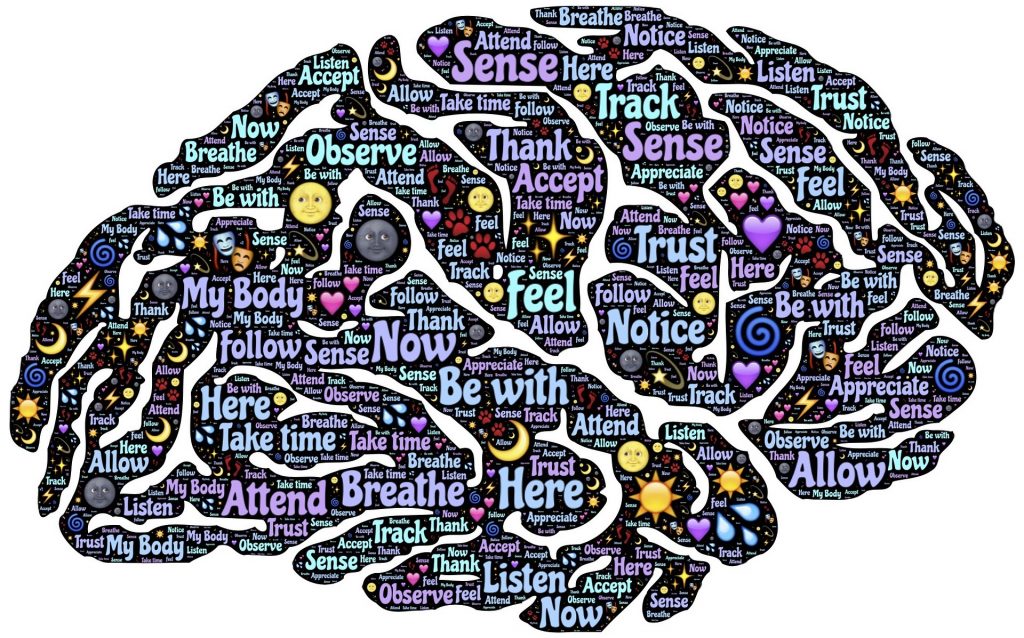
Colors of the Mind
Art for Awareness
Community art installations designed to spark dialogue and promote emotional wellbeing.
Exploring Mental Health Through Poetry and Art
Discover a thoughtful gallery celebrating the power of creativity in mental wellbeing.
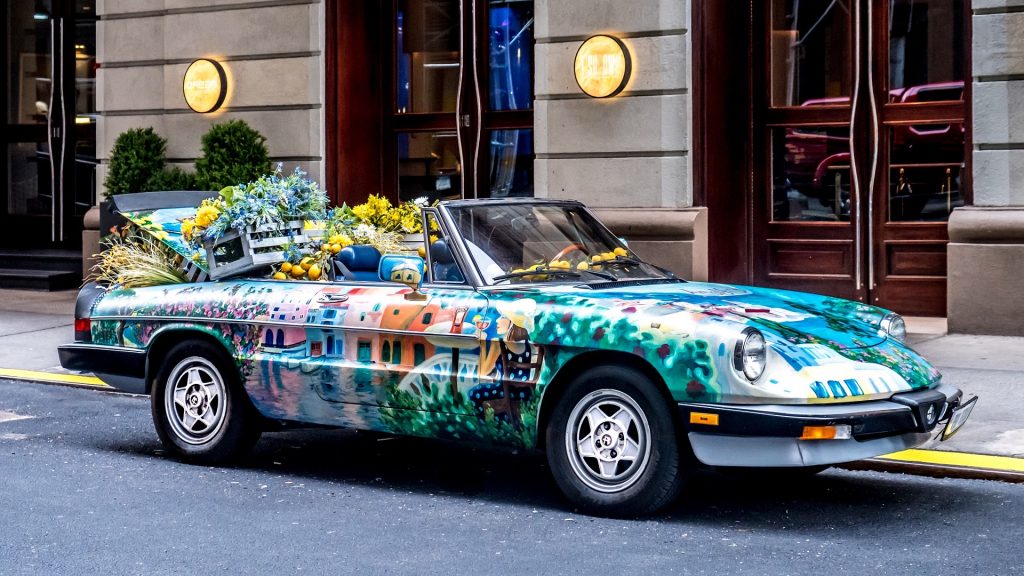

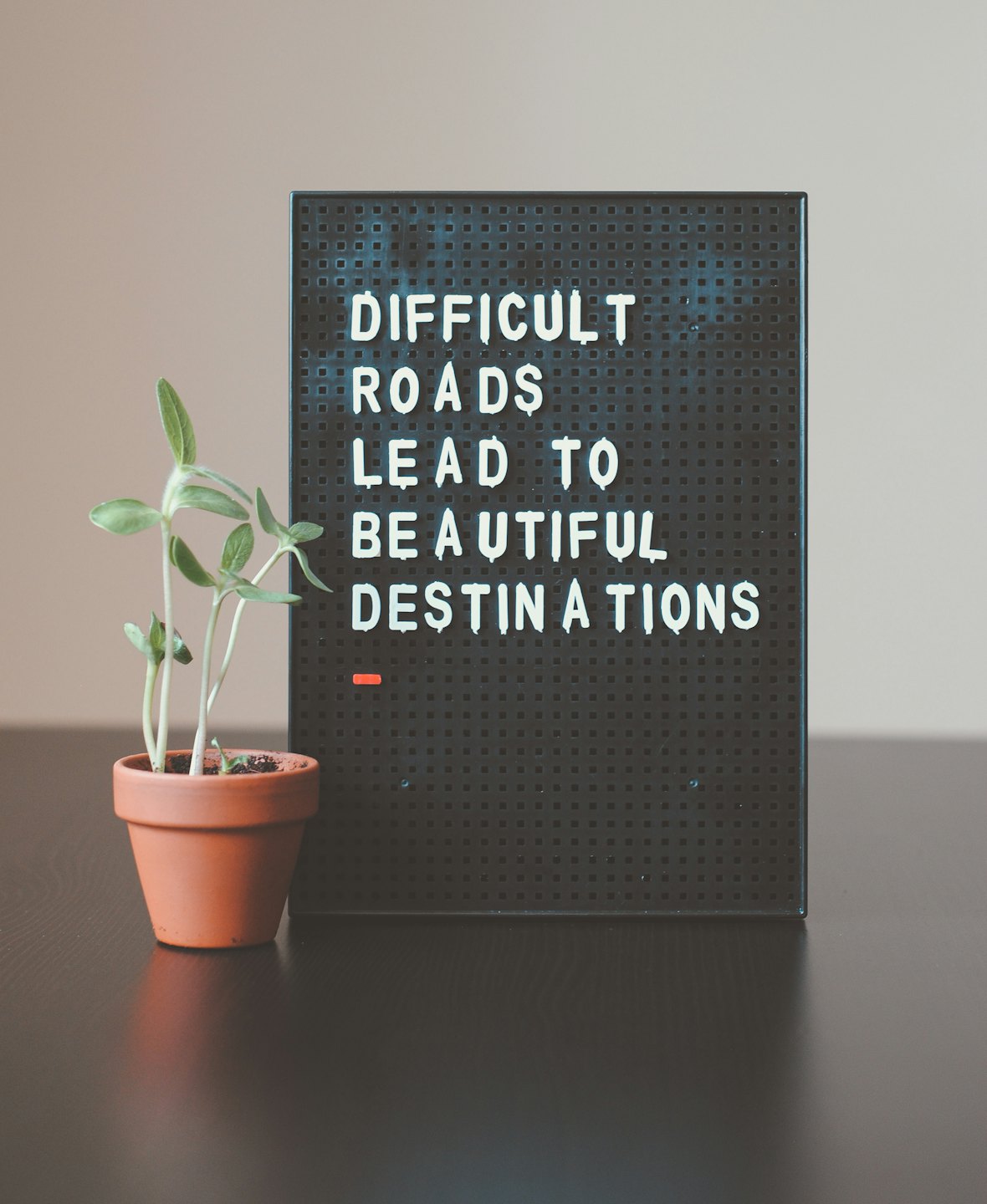
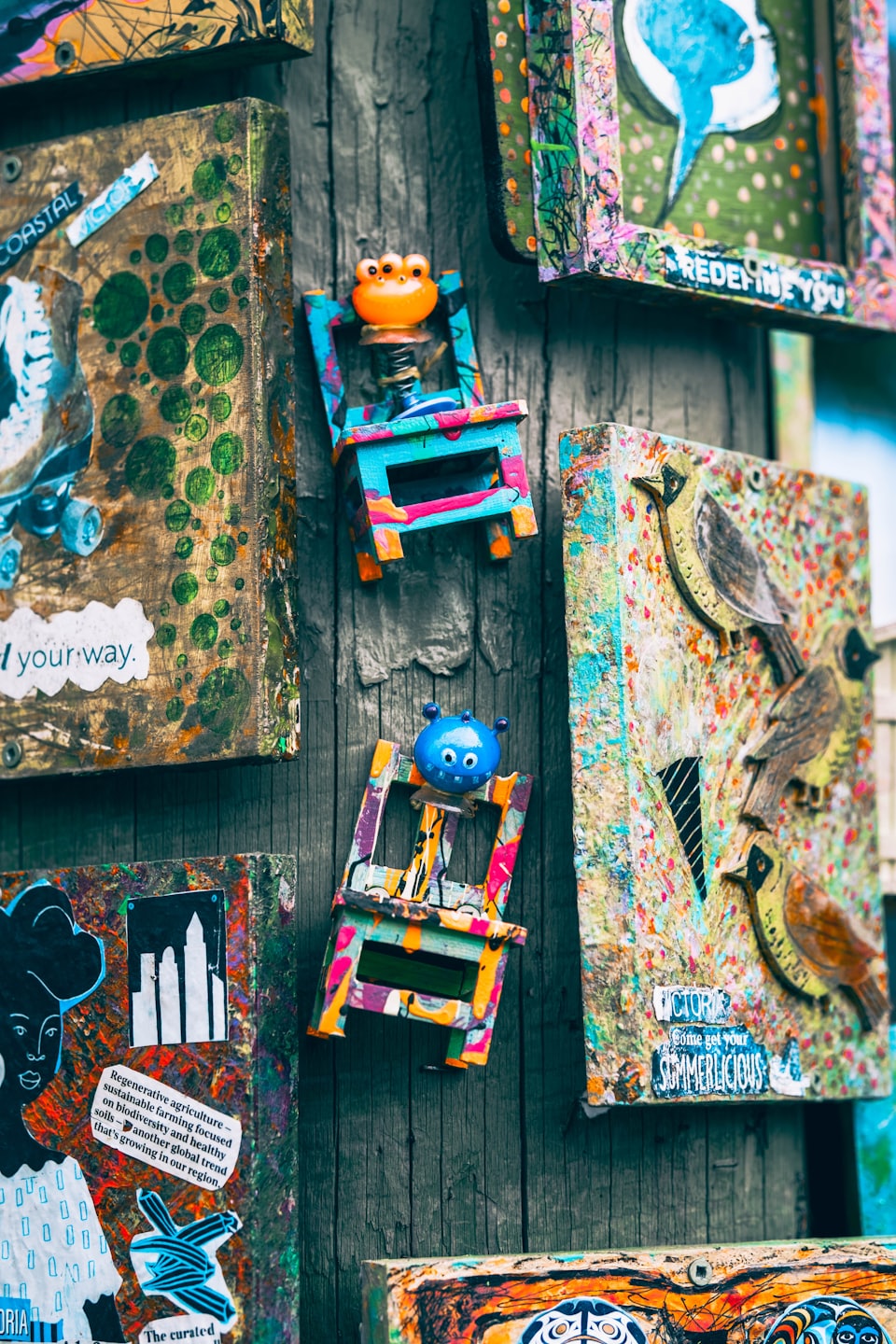
- Nature’s beauty and changing seasons
- Personal experiences and emotions
- Love and relationships
- Dreams and imagination
- Historical events and figures
- Social issues and justice
- Music and art
- Travel and new places
- Childhood memories
- Spirituality and faith
- Everyday moments and ordinary life
- Loss and grief
- Hope and resilience
- Mythology and folklore
- The cosmos and universe
- Silence and solitude
- Friendship and community
- Inner conflicts and self-discovery
- Cultural heritage and traditions
- The passage of time and aging
Exploring the Power of Mental Health Poems
Mental health is a topic that has gained significant attention in recent years, and for good reason. It affects everyone at some point in their lives, influencing how we think, feel, and behave. While there are many ways to understand and cope with mental health challenges, poetry stands out as a unique and powerful medium. Mental health poems offer a window into the emotional landscape, providing comfort, understanding, and a voice to those who might otherwise feel unheard.
Why Poetry?
Poetry distills complex emotions into a few carefully chosen words, making it accessible and relatable. It allows readers to connect with the writer’s experience in a deeply personal way. For individuals struggling with mental health, poems can validate their feelings, reduce isolation, and inspire hope. For others, poetry fosters empathy and awareness, helping to break down stigma.
Themes in Mental Health Poems
Mental health poems cover a wide range of themes including anxiety, depression, trauma, healing, self-acceptance, and resilience. Some poems describe the darkness of mental illness, while others celebrate the journey toward recovery. The diversity of voices and experiences in mental health poetry reflects the multifaceted nature of mental well-being.
Notable Mental Health Poets and Poems
- Mary Oliver – Known for her reflective and nature-inspired poetry, Oliver’s work often touches on themes of mindfulness and healing.
- Khalil Gibran – His poetic prose explores the human spirit’s struggles and triumphs, offering insights into emotional pain and growth.
- Rupi Kaur – A contemporary poet whose simple yet profound verses address trauma, empowerment, and self-love.
- “The Wound is the Place Where the Light Enters” by Rumi – A classic line that resonates with anyone on a healing journey.
Writing Your Own Mental Health Poems
Creating poetry can be a therapeutic practice. If you’re interested in writing about your mental health, start by expressing your feelings honestly. Don’t worry about form or rhyme; focus on what you want to say. Use imagery and metaphors to capture your emotions. Sharing your poems with others can foster connection and support.
Conclusion
Mental health poems offer a vital space for expression, connection, and healing. Whether you’re reading or writing, engaging with poetry can deepen your understanding of mental health and remind you that you are not alone. In the words of poet Audre Lorde, “Poetry is not a luxury. It is a vital necessity of our existence.”
If you’re interested in exploring mental health poems further, consider visiting local poetry readings, joining writing groups, or following poets online who focus on mental health themes. Remember, your voice matters.
Why Poetry Matters: The Power of Words to Inspire and Connect